Cute Little House Bluework: Sweatshirt Design Review
As an embroidery designer preparing for a seasonal boutique drop, I approach every new machine embroidery design with a critical eye. It is not enough for a graphic to look charming on a screen; it must translate into tactile reality on heavy fleece and French terry. When evaluating the Cute Little House Bluework for our upcoming collection of premium sweatshirts, my primary focus is how this specific aesthetic interacts with commercial apparel production. This review breaks down the technical and artistic viability of using this forest-themed bluework design for small clothing brands and Etsy sellers looking to elevate their handmade product offerings.
First Impressions: Mood and Aesthetic Translation
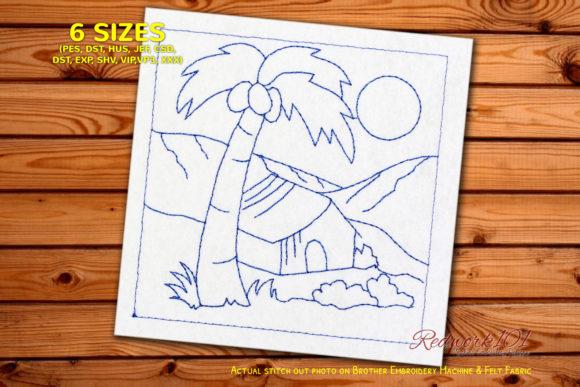
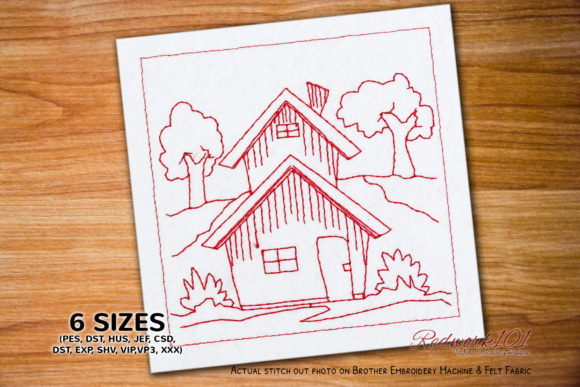
The immediate appeal of Cute Little House Bluework lies in its nostalgic, storybook quality. While categorized under Cities, the inclusion of a lovely forest background softens the architectural lines, making it feel more rustic and cozy than urban. For a boutique brand, this distinction is vital. We are not selling city merchandise; we are selling a feeling of comfort and cottage-core tranquility. The monochromatic nature of bluework suggests a vintage hand-stitched look, which pairs exceptionally well with the current market demand for slow fashion aesthetics.
However, as a designer, I immediately assess the "stitching personality." Bluework relies heavily on line work and shading rather than solid fills. On a digital preview, this looks delicate. On a 12oz fleece sweatshirt, delicacy can sometimes read as sparse or unfinished if the stitch density isn't optimized. My first impression is that this design has high potential for a feminine, minimal, yet decorative look, provided the digitizing accounts for the loft of sweatshirt fabric. The optional Stitch Box mentioned in the product details offers a fantastic framing device, turning the design into a self-contained badge that feels intentional and branded.
Fabric Pairing and Color Strategy for Apparel
For our limited drop, fabric selection dictates the success of the sweatshirt embroidery. Bluework traditionally uses varying shades of blue thread on white fabric, but modern custom apparel requires versatility. Here is how I envision Cute Little House Bluework performing across different garment bases:
- Natural Oatmeal and Cream Fleece: This is the strongest pairing. The warm undertones of natural cotton enhance the vintage bluework style, making the design pop without harsh contrast. It feels organic and high-end.
- Pastel Sage or Dusty Rose: For a playful, feminine twist, placing blue thread on soft pastels creates a low-contrast, tonal effect. This works beautifully for oversized hoodies where the design serves as a subtle texture rather than a loud graphic.
- Dark Navy or Charcoal: Caution is required here. Traditional blue thread may disappear on dark fabrics. If using this design on darks, I would recommend testing lighter slate blues or even shifting to a cream/white thread variant to maintain the "bluework" visual language while ensuring visibility.
The description notes that the outer box color varies unless integral to the design. For brand consistency across a capsule collection, I advise standardizing this frame color to match your shop’s identity, perhaps using a signature accent thread color to tie the Cute Little House Bluework to your other listings.
Technical Considerations for Heavyweight Fabrics
Sweatshirts present unique challenges for commercial embroidery. Unlike quilting cotton, fleece stretches and has a pile that can swallow fine details. When preparing the embroidery file for production, several practical concerns must be addressed to ensure the finished product meets boutique standards.
Stabilizer and Hoop Placement
Because bluework often features intricate running stitches and satin outlines, stabilization is non-negotiable. For heavyweight sweatshirts, I recommend a medium-weight cutaway stabilizer permanently fused to the back of the garment. Tear-away options often leave residue or distort the fabric after washing, compromising the perceived value of the handmade product. Regarding hoop size, always choose the smallest hoop that comfortably fits the design to minimize fabric distortion. If placing this as a left-chest logo on an oversized hoodie, ensure the placement accounts for the kangaroo pocket seam to avoid stitching over uneven layers.
Density and Thread Contrast
I cannot stress enough the importance of verifying stitch density before mass production. Sweatshirt knit is textured. If the bluework lines are too thin, they will sink into the fleece. A test stitch-out is mandatory. You may need to add a light underlay or increase column width slightly to ensure the design sits on top of the fabric texture. Furthermore, check the contrast of the forest background elements against the house. In monochromatic designs, value separation is key. If the trees and the house are the same shade of blue, the design will muddy together once stitched on textured fabric.
Merchandising and Brand Value for Small Shops
Beyond the needle, Cute Little House Bluework serves as a strategic asset for digital sellers. The cohesive, framed nature of the design (especially when utilizing the optional box) makes it incredibly photogenic for lifestyle product photography. It reads clearly in thumbnails, which is crucial for Etsy seller success. Unlike complex, multi-color scenes that can look chaotic at small sizes, this focused composition maintains readability in social media feeds and search results.
Using a specialized design like this also signals expertise to buyers. It shows that your boutique brand curates specific aesthetics rather than using generic clip art. This builds buyer trust and justifies a higher price point. When creating printable mockups or listing photos, highlight the texture of the embroidery. Zoom shots showing the interplay between the blue thread and the fleece grain communicate quality better than any flat digital rendering.
Production Checklist Before Launch
Before adding this digital embroidery file to your production queue, run through this essential evaluation list to protect your brand reputation:
- Verify Specifications: The product description does not list exact stitch counts or hoop dimensions. Always check these technical specs in your software to ensure compatibility with your machine and garment size.
- Test Wash Durability: Bluework involves significant running stitch work. Wash and dry a sample sweatshirt three times. Check for thread pull-outs or puckering around the forest background details.
- Evaluate Small-Size Readability: If you plan to offer this as a sleeve accent or baby-sized option, resize digitally and stitch a sample. Fine details in the house windows or tree branches may need to be removed or simplified for smaller applications.
- Confirm Licensing: Ensure your license covers commercial use on finished apparel if you are selling physical goods, or verify terms if selling the digitized file itself.
- Assess Brand Alignment: Does the specific shade of blue in the file match your existing thread colors? Mismatched blues across a collection can look unprofessional. Standardize your palette before stitching.
Final Designer Verdict
Cute Little House Bluework is a strong contender for seasonal apparel collections targeting the cozy, cottage-core demographic. Its strength lies in its ability to bridge the gap between traditional needlework aesthetics and modern hoodie design trends. However, its success depends entirely on respectful execution. By paying close attention to stabilizer choice, density adjustments for fleece, and thoughtful color pairings, small business owners can transform this digital asset into a tangible, high-value product. It is more than just a cute graphic; it is an opportunity to demonstrate craftsmanship and attention to detail that defines a successful embroidery business.