Easter Abstract Eggs Lineart Review
As I prepare my booth inventory for the upcoming spring craft fair season, I am constantly evaluating which digital assets will translate best into physical sales. This year, my focus is on modern aesthetics that appeal to a younger demographic while retaining traditional holiday charm. After reviewing the Easter Abstract Eggs Lineart machine embroidery design, I see significant potential for both quick-turnaround production and high-margin handmade products. This review breaks down my professional assessment of this design from the perspective of a business owner preparing for market day.
First Impressions: Modern Minimalism Meets Holiday Tradition
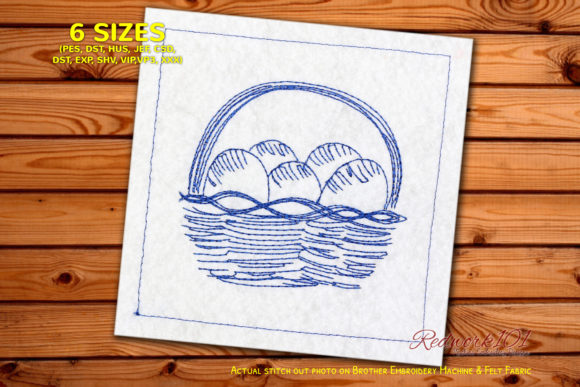
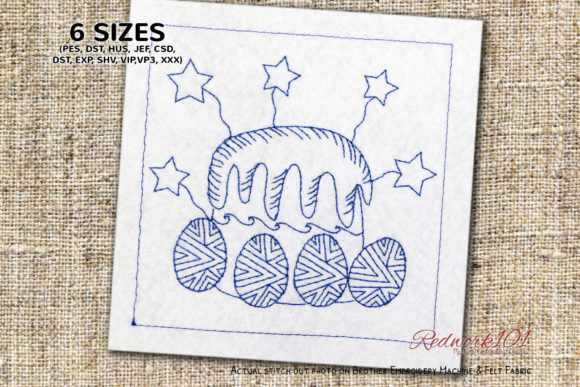
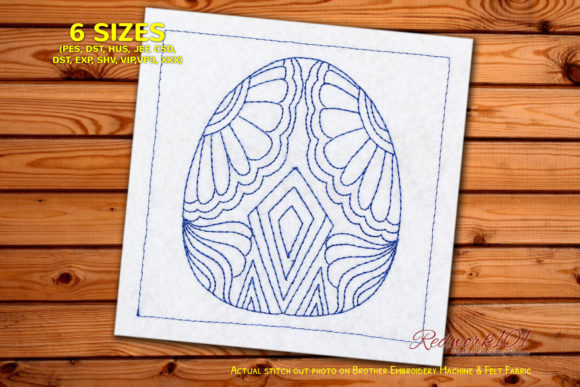
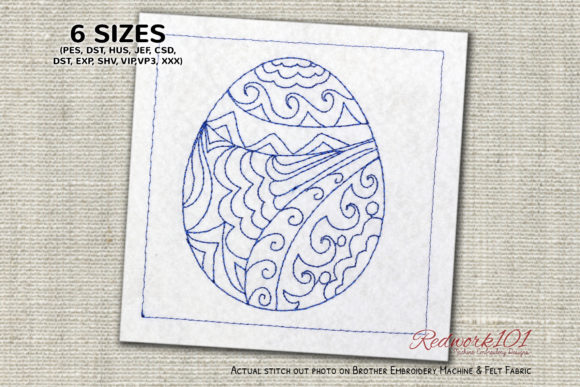
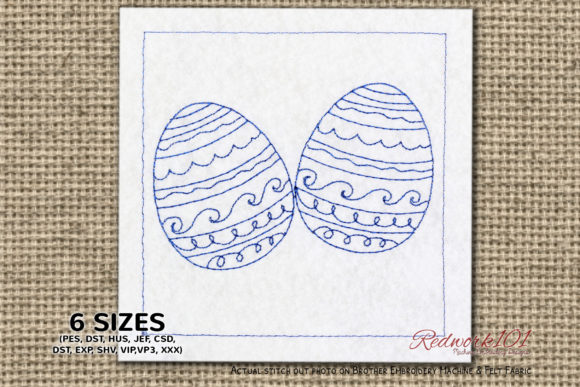
My immediate reaction to Easter Abstract Eggs Lineart is that it strikes a perfect balance between festive and contemporary. Unlike traditional satin-stitch eggs that can feel dated or overly juvenile, this lineart approach feels sophisticated and airy. The aesthetic leans heavily into modern farmhouse and minimalist decor styles, which are currently dominating Etsy seller trends and boutique markets. It does not scream "holiday" in a way that limits its shelf life; rather, it whispers "spring," making it a versatile addition to my catalog.
The description notes that the box stitch shown is optional and often a different color. As a designer, I appreciate this modularity. For a craft fair table display, I can create a cohesive collection where the eggs remain consistent, but the framing elements change to match specific product lines. This flexibility is crucial for maintaining brand consistency across diverse items like tea towels, tote bags, and aprons without the collection looking repetitive.
Product Application Strategy for Market Day
When planning my booth layout, I categorize designs by their visual weight and intended use. Here is how I plan to utilize this specific embroidery file across my product range:
- Tote Bag Design: This is my primary candidate for canvas market bags. The open nature of lineart prevents the heavy, stiff feeling that dense fill stitches often cause on unstructured canvas. It allows the fabric texture to breathe, resulting in a premium handmade product feel.
- Tea Towel Embroidery: Linen and cotton tea towels are staple sellers. Because this design uses lineart, it sits beautifully on textured fabrics without getting lost. I plan to place it in the lower third of the towel for a classic, elegant look that appeals to home decor buyers.
- Apron Embroidery: For kitchen wear, I would skip the optional outer box entirely. A centered, floating abstract egg design on a bib apron creates a focal point that is visible even when the wearer is moving. It serves as an excellent conversation starter at the booth.
- Embroidered Patches: Given the clean lines, this design could be digitized or adapted into patches for denim jackets. However, one must ensure the line weight is sufficient to hold together on twill backing.
- Fabric Pouches and Zipper Bags: Small cosmetic or pencil pouches benefit from this design because it scales down well. It provides detail without overwhelming a small surface area.
Production Practicality and Batch Efficiency
For a small shop product creator, time is money. One of the strongest selling points of Easter Abstract Eggs Lineart is its likely low stitch count compared to filled designs. Lineart embroiders significantly faster, allowing me to run multiple hoops in succession during prep week. This efficiency makes it ideal for batch production of tea towels and napkins.
Photographing finished products for online listings is another consideration. High-density satin stitches can sometimes reflect flash photography poorly or look flat in natural light. Lineart, conversely, captures shadows and depth beautifully. When creating a printable mockup or listing photo, the negative space within the design helps the product stand out against busy backgrounds. For Etsy sellers, this means less editing time and clearer representation of the actual stitched quality.
Critical Use Notes and Technical Considerations
While this design is versatile, there are specific technical constraints I must address before mass production. As an experienced embroiderer, I advise checking the following before hooping your first commercial project:
- Fabric Texture Compatibility: Lineart requires a smooth surface to maintain clarity. On highly textured terry cloth or waffle weave towels, thin running stitches may sink into the pile. Always test on scrap fabric first. You may need to add a water-soluble topping to keep the stitches crisp.
- Stabilizer Selection: Because lineart lacks the structural support of fill stitches, proper stabilization is non-negotiable. For stretchy knits or lightweight linens, use a cut-away stabilizer to prevent puckering around the curves of the abstract eggs. Tear-away may suffice for stable canvas tote bags, but test tension first.
- The Optional Box Element: The product description mentions the outer box is optional and potentially a different color. If you choose to include it, verify the registration marks. Misalignment between the egg and the box will be glaringly obvious in a lineart style. If selling at a premium price point, consider omitting the box to eliminate alignment risks and create a cleaner, more modern silhouette.
- Thread Contrast: Abstract art relies on line definition. Ensure high contrast between thread and fabric. White thread on cream fabric may look elegant in person but disappear in photos. Dark charcoal or navy thread on natural linen offers better visibility and perceived value.
- Hoop Size Verification: Before purchasing or stitching, confirm the exact dimensions of the embroidery file against your available hoops. Do not assume standard sizing. Resizing lineart can distort stitch length and spacing, so always use the original size whenever possible.
Enhancing Booth Display and Buyer Engagement
Visual merchandising is key to craft fair success. Easter Abstract Eggs Lineart supports a strong booth display because of its artistic neutrality. I recommend grouping items by color palette rather than product type. For example, display a sage green apron next to a matching tea towel and a neutral tote bag, all featuring the same egg design. This encourages multi-item purchases.
The "abstract" nature of the design also invites customer interaction. Shoppers often ask about the meaning or inspiration behind non-traditional Easter imagery. This opens a dialogue about the handmade process and the artistic intent, which builds connection and justifies higher price points. It signals to buyers that they are purchasing a unique piece of art, not just a generic holiday decoration.
Designer Checklist for Commercial Success
Before listing this as a finished product or using it for commercial embroidery, complete this final checklist:
- License Confirmation: Verify that the digital embroidery file includes commercial rights for selling finished physical goods. Never assume a personal license covers market sales.
- Test Stitch-Out: Always run a sample on the exact fabric you intend to sell. Check for thread breaks, tension issues, and overall scale.
- Mockup Creation: Create at least one real mockup using the actual stitched sample. Digital renderings do not capture the texture of thread on fabric, and customers appreciate seeing the true result.
- Colorway Planning: Plan your thread colors in advance. Will you offer custom color options? Having a set palette streamlines production and ensures your booth looks curated.
- Detail Inspection: Zoom in on the design file. Are there any tiny jump stitches that need trimming? Clean finishes define professional quality.
In summary, Easter Abstract Eggs Lineart is a valuable asset for the modern embroidery business. Its blend of artistic flair and production efficiency makes it suitable for everything from high-volume tea towels to bespoke tote bags. By respecting the technical requirements of lineart and leveraging its minimalist aesthetic, craft fair sellers can create a standout Easter collection that feels fresh, relevant, and distinctly handmade.