Spread Love and Envision Applique Design Review
As a professional embroidery designer specializing in commercial branding and merchandise production, I approach every new machine embroidery design with a critical eye toward manufacturability and brand alignment. When evaluating the "Spread Love and Envision Applique" for small business use, my primary focus is not just aesthetic appeal, but how the digitizing translates to physical products like uniforms, patches, and retail goods. This specific design presents a unique opportunity for businesses seeking a textured, artisanal look, provided the intentional stylistic choices are understood and leveraged correctly.
Visual Personality and Intentional Texture
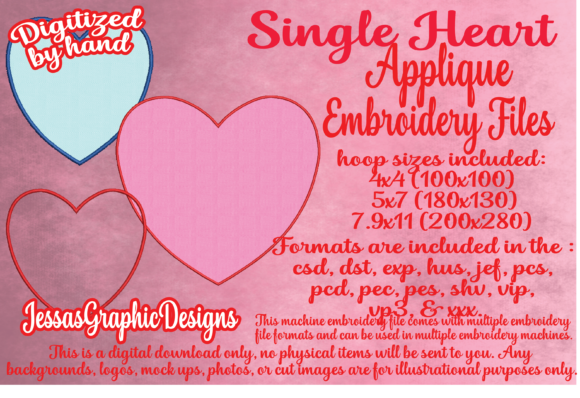
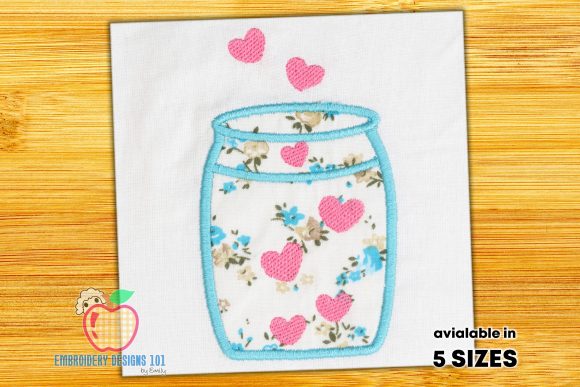
The first impression of Spread Love and Envision Applique is distinctively organic and handcrafted. Unlike corporate logos that demand rigid, high-density satin stitches for a polished sheen, this design embraces a softer, more rustic aesthetic. It is imperative for shop owners and digitizers to note the product description immediately: these fills are not 100% dense, and the fabric visibility through the stitches is a deliberate artistic choice, not a digitizing error.
For a small business, this transparency creates a vintage or heirloom quality that resonates deeply with customers valuing authenticity. In the context of Valentine’s Day merchandise or year-round boutique branding, this lower stitch density reduces thread usage and prevents the stiff, bulletproof feel often associated with heavy appliqué. However, it also means the underlying fabric texture becomes an active part of the design. A smooth cotton poplin will yield a different result than a linen blend or canvas tote. As a designer, I view this as a premium feature for lifestyle brands, bakeries, florists, and creative studios where a "perfectly imperfect" handmade vibe supports the brand identity.
Strategic Applications for Small Business Merch
When integrating Spread Love and Envision Applique into a commercial product line, versatility is key. Based on the construction of this embroidery file, I recommend specific applications where the semi-transparent fill adds value rather than detracting from durability.
- Tote Bag Design: This is arguably the strongest use case. The natural weave of a canvas tote complements the visible fabric effect, creating a cohesive, eco-friendly aesthetic perfect for farmers' markets or retail packaging.
- Apron Embroidery: For cafes and bakeries, the lighter stitch count ensures the apron remains breathable and flexible. Heavy, dense designs can weigh down lightweight aprons, causing sagging; this design avoids that pitfall while maintaining visual warmth.
- Boutique Merchandise: Sweatshirts, baby onesies, and tea towels benefit from the softer hand-feel. Customers are more likely to purchase and wear apparel that doesn't feel industrial.
- Customer Gifts: Because the design uses less thread and allows fabric show-through, it feels intimate and personal, making it ideal for thank-you gifts or limited-edition Valentine's Day specials.
Navigating Technical Limitations and Substrates
While the aesthetic is forgiving, the technical execution requires precision. Because the fills are intentionally open, you cannot rely on high thread coverage to hide fabric imperfections or color mismatches. When planning custom apparel or commercial embroidery runs, consider the following constraints:
Fabric Selection Matters
Avoid using Spread Love and Envision Applique on highly patterned or busy fabrics unless you have tested the contrast extensively. Since the fabric shows through, a chaotic background print will compete with the design, reducing legibility and impact. Solid colors or subtle textures work best. Additionally, be cautious with dark uniforms; if the thread color is light and the fill is sparse, the dark garment may absorb the visual weight of the logo, making it appear faint. Always verify thread colors against the specific garment shade before bulk production.
Patch Production Considerations
If utilizing this as an embroidered patch, size is your most critical variable. The intricate details and open fills require sufficient space to remain distinct. Scaling this design down too small for a cap front or sleeve cuff may cause the intentional gaps to look like missed stitches or registration errors. I advise against using this specific file for tiny hat logos unless you have verified the minimum readable size. Caps present additional challenges due to curvature; ensure your hoop size and cap frame can maintain consistent tension so the open fills do not distort on the rounded surface.
Impact on Brand Perception and Value
In the competitive landscape of Etsy sellers and local artisans, differentiation is currency. Using a standard, fully filled stock design signals mass production. Choosing Spread Love and Envision Applique signals intentionality. The visible fabric integration suggests a respect for materials and a commitment to tactile quality. This subtle cue builds customer trust and elevates the perceived value of the finished product.
Furthermore, this design style aligns perfectly with sustainable business practices. Lower stitch counts mean less synthetic thread waste and reduced machine runtime, which appeals to eco-conscious consumers. When marketing your merchandise, highlight this textured finish as a feature. Describe it as "breathable embroidery" or "fabric-integrated appliqué" to turn what might be perceived as a lack of coverage into a selling point of sophisticated design.
Essential Designer Notes for Production Success
To ensure Spread Love and Envision Applique performs flawlessly in a business environment, follow this pre-production checklist. Never skip testing when working with non-standard fill densities.
- Create a Printable Mockup: Before stitching, overlay the digital file onto photos of your actual merchandise. This helps visualize how the open fills interact with your specific garment color and texture.
- Test Stitch on Real Fabric: Do not test on scrap muslin if you are producing on denim or linen. The drape and weave affect how the open fills settle. Run a sample on the exact material intended for the final run.
- Evaluate Stabilizer Choice: With less thread anchoring the fabric, stabilization is paramount. Use a cut-away stabilizer for stretchy knits to prevent puckering around the sparse fill areas. For woven totes or aprons, a medium-weight tear-away may suffice, but always check for stability during the tack-down phase.
- Check Contrast and Legibility: Print a black-and-white version of the design to assess value contrast without color distraction. If the design disappears in grayscale, it lacks sufficient definition for quick visual recognition on merchandise.
- Verify Commercial Licensing: Before selling any item featuring this digital embroidery file, confirm the license terms. Ensure you have the rights to use the design for branded merchandise, resale items, and marketing assets.
- Inspect Spacing and Registration: During the test sew-out, measure the distance between fill sections. Ensure the intentional gaps are consistent and symmetrical. Irregular spacing can mimic poor digitizing even when the style is meant to be loose.
Ultimately, Spread Love and Envision Applique is a powerful asset for businesses that prioritize warmth, texture, and artisanal quality over corporate rigidity. By respecting the intentional nature of the open fills and selecting appropriate substrates, you can create merchandise that feels genuinely connected to your brand story. Whether for a Valentine’s Day capsule collection or permanent staff uniforms, this design offers a distinctive alternative to traditional embroidery, provided it is executed with technical mindfulness and strategic intent.